Find
Find the Church where she already is.
Find is Search and the Garden. You come looking for the Church as she already lives: a saint, a parish, a text, a ministry, a name. Communio is how you find her. What you find still belongs to the people who keep it.
English, Spanish, and Portuguese. Here and in Latin America. You do not make an account to read.

Search
Search is where you begin. The page is almost empty on purpose: the title, the line from John, the bar. You are asked for a name.
Type Augustine. Type a parish. Type the Catechism. What comes back is a hit: a name, and a line that tells you what you found. Mass times. The Holy See. A campus ministry. A presence someone has published. You choose one and you go.
Language and place live in the bar when you need them. The search stays a search. A child can look something up the way they look anything else up. Reading starts without an account.
When a query is thin, the Garden is still there. You can offer a site. You can gather at Seen. The Church is larger than one ask.
The Garden
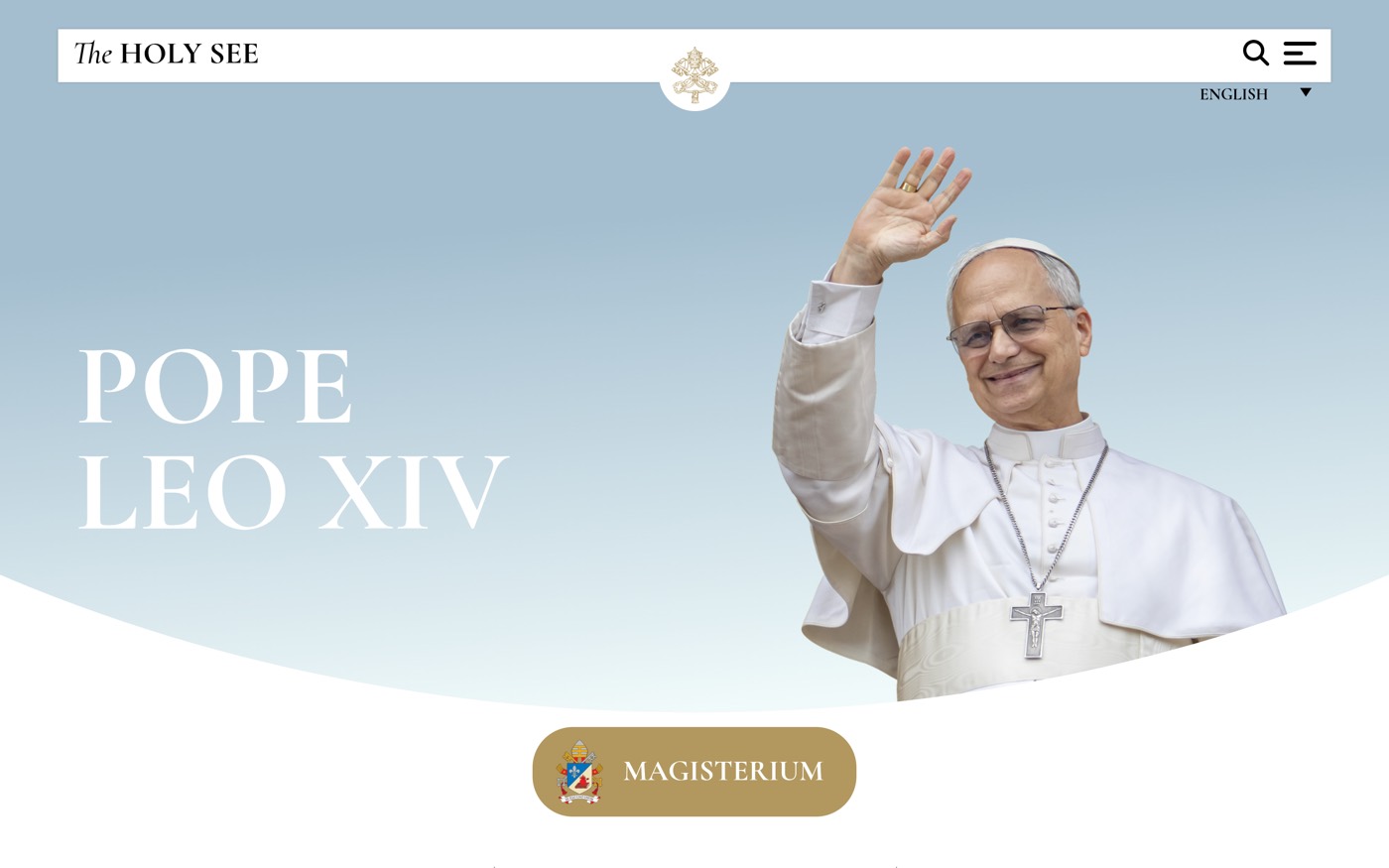
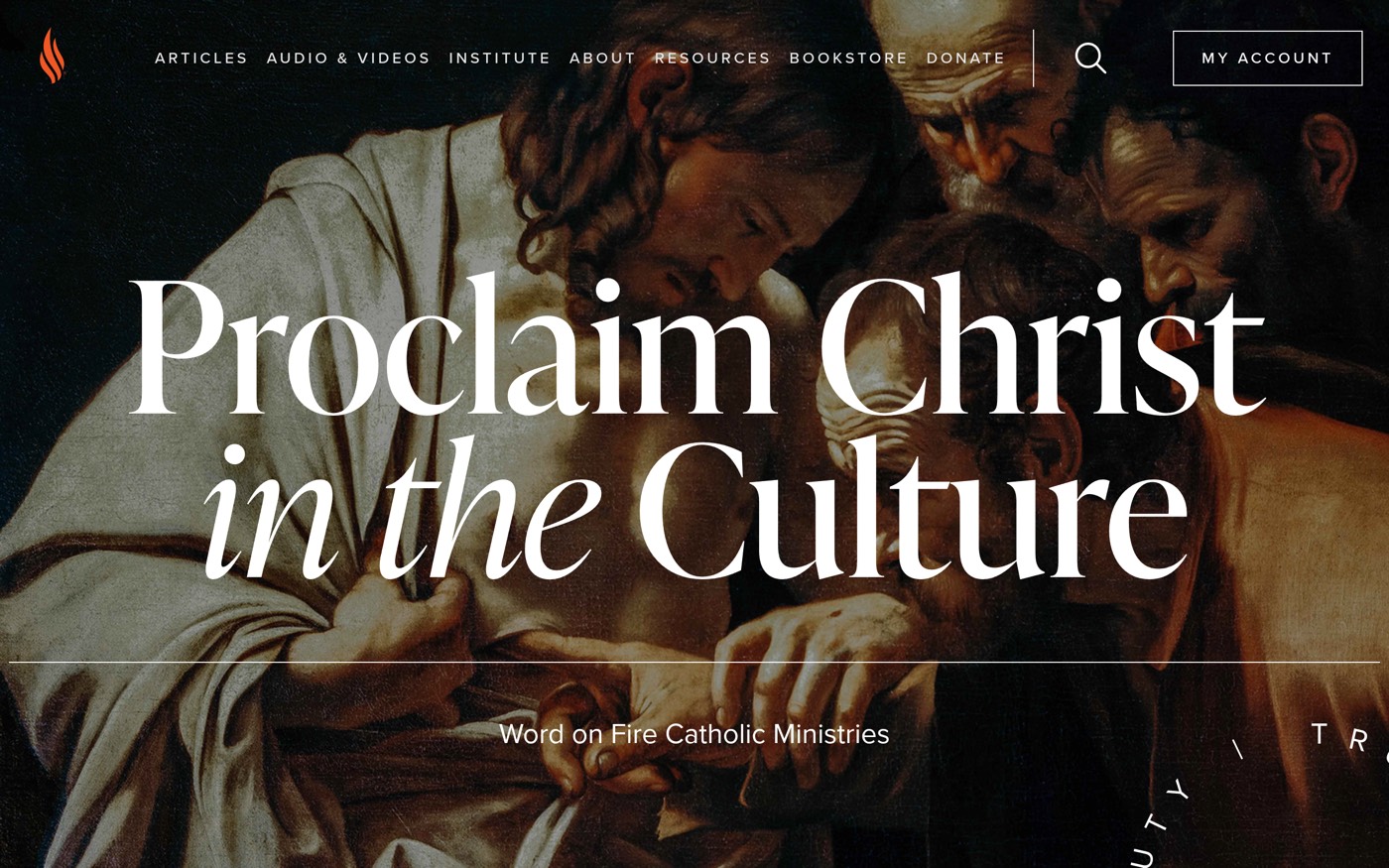
The Garden is how we keep Catholic sites. Each plot is a real address. The Holy See. A publisher. A campus. A parish page. We read them, we keep the ones that belong, and we send you to them.
A plot shows their name, their place, a line about who they are. Visit takes you to their site. Their site stays theirs. A listing is how people find the address. Partnership is a conversation with us, and it starts at Partner.
You can browse the Garden without a search. You can take a random plot. If you keep a Catholic site, you offer it. We curate. The Garden is the finding, kept with care.